


Learn 10 Ways to Keep Plastic Out of the Ocean
Dec 11 , 2022
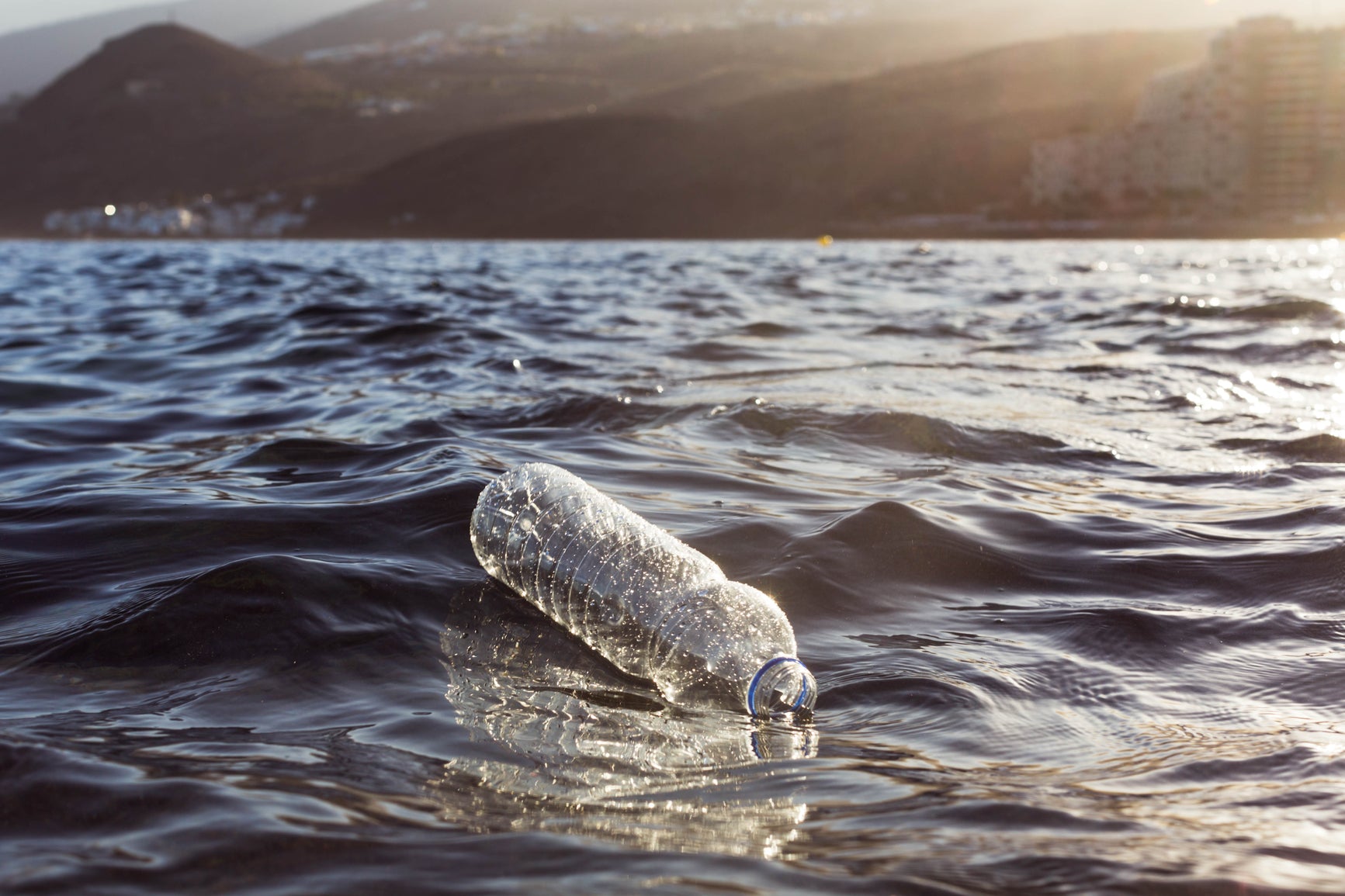
Everybody knows that plastic is bad for the ocean. But few of us are in the practice of walking up to the Pacific and tossing empty jugs of laundry detergent or orange juice into its depths. So, how does that litter even get there?
Grove sustainability experts answer this and other questions about plastic and the ocean... plus they’ve given us 10 ways we can stop contributing to this evolving ecological disaster. If you're really on a plastic-ditching kick, check out more ways to rid your home of harmful plastics.
How does plastic get into the ocean?
No one is suggesting that the average person is malevolently upending their garbage bins into the nearest waterway. However, urban and stormwater runoff, as well as sewer overflow, can transport land-based litter to the great big blue.
Countries like the United States and Japan export much of their plastic waste to other countries like Malaysia, Vietnam, and until recently, China. Though it’s not clear precisely how much of this garbage ends up in the ocean, there are immense discrepancies between the amount of waste the importing countries can responsibly accommodate, and the amount that they receive. The countries least equipped to manage waste and recycling are largely the ones taking it in.
But, wait! You do your due diligence like any decent global citizen and pop your plastics into the recycling bin. Your recycling can’t be part of the plastic that ends up in the ocean, right? Wrong.
How recycled plastic ends up in the ocean
Recycling plastic is complicated, to say the least. Not all plastic even is recyclable — remember the recent push to discontinue the use of plastic straws? Coffee cups are only recyclable by a particular machine because the plastic coating on the inside that keeps your latte nice and warm needs to be separated from the paper on the outside.
And while some single-material items — that jar of peanut butter on which so many sack lunches depend, for example — are recyclable, they can’t have any food residue on or in them.
Each time you toss out an empty bottle of sriracha without rinsing it thoroughly, chances are that it ends up in a poorly-managed landfill and, ultimately, dumped into the ocean where it is broken into tiny pieces by the current and eaten by an innocent manatee.
Does plastic make the ocean sick?
We’ve painted a picture already of the crimes against marine animals from the plastic pollution in the ocean. It doesn’t end, however, with albatrosses and sea turtles.
Plastic makes the ocean sick in a variety of ways, affecting more than just aquatic life.
How do microplastics found in the ocean impact human health?
Microplastics are increasingly being found in tap water, sea salt, and beer — and sometimes, even the fish that we eat.
Several of the chemicals used in the production of plastic are carcinogenic. They can interfere with the body’s endocrine system, disrupting immunity, neurology, development, and reproductive health.
Not to mention that when plastic hitches an indefinite ride in the ocean, it has a tendency to accumulate toxic contaminants. Those nasties are eaten by fish and other ocean life low in the food chain and slowly work their way into the larger food web, eventually finding their way onto your own dinner plate and, alas, into your body.
How does plastic ocean waste impact the economy?
When plastic invades otherwise popular tourist destinations, it ruins the appeal to say the least.
Predictably, those local economies suffer from a loss of tourist dollars — and, when countries combat the build-up of garbage on their shores, they must pump a great deal of money into that neverending maintenance.
The fishing industry is also at war with plastic waste. Just imagine the cost of replacing or repairing the equipment that enables your livelihood every time a fishing net is befouled by garbage.
How to help keep the ocean clean: 10 things you can do
We get it: This information overload can make plastic waste seem like an unbeatable foe. If you want to do your part, though, here are 10 tips to get you started:
- Wash your plastic containers before recycling them to remove food or other contaminants.
- Avoid single-use plastic shopping bags by bringing your own reusable bags to the store.
- Bring an insulated jar to the coffee shop for your mornin’ joe or that post-lunch latte.
- Politely decline the plastic straw at restaurants.
- Don’t litter
- Support companies that employ sustainable practices.
- Switch to refillable containers and products in your home.
- Try a shampoo bar and refillable deodorant sticks to cut down on waste associated with personal care
- Stop using ziploc or other plastic bags for food storage.
- Buy sauces and nut butters that come in glass jars.
Grove Collaborative. (2022, 07 27). Learn 10 Ways to Keep Plastic Out of the Ocean. Retrieved from Grove Collaborative: https://www.grove.co/blog/how-much-plastic-is-in-the-ocean